


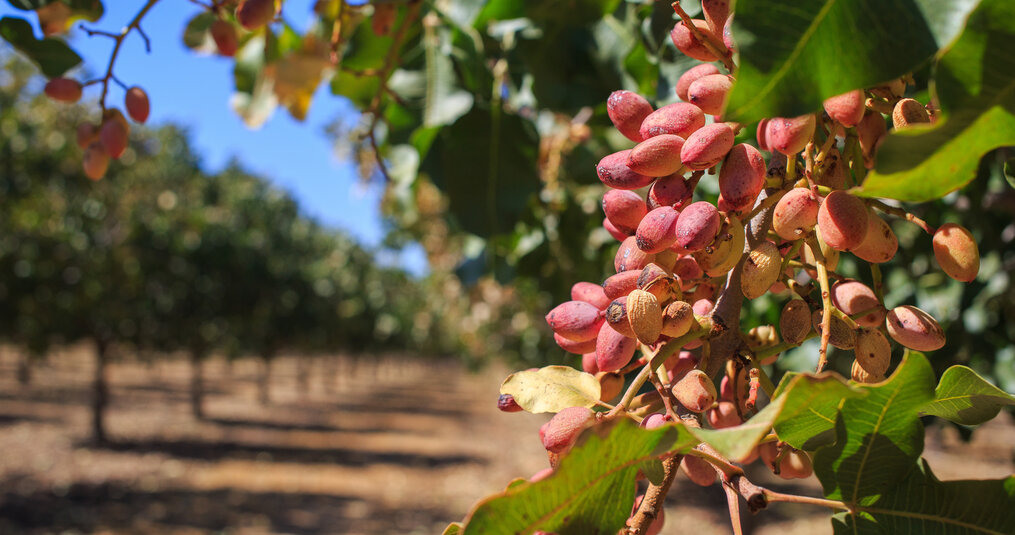
Pistachios are more than just a delicious snack. These unique nuts are packed with nutrients, grown on beautiful pistachio nut trees, and have a fascinating history that stretches back thousands of years. In this article, we’ll answer everything you need to know about pistachios. From how they grow to their health benefits. While exploring why a pistachio tree could be a wonderful addition to your garden or orchard.
What are pistachios and where did they originate?
Pistachios are edible seeds from the pistachio tree nut, scientifically known as Pistacia vera. The nut is encased in a hard shell that naturally splits open when ripe, making them easy to harvest. Origin: Pistachios have been enjoyed for over 9,000 years. They are native to the Middle East and Central Asia, particularly regions that are now Iran, Iraq, and Syria. Over time, they spread to Mediterranean countries, the United States (primarily California), and other temperate regions.
Where do pistachio nut trees grow?
Pistachio nut trees thrive in warm, dry climates with long, hot summers and cool winters. They prefer well-drained soil and lots of sunlight. Some of the main pistachio-producing regions in the world include:
- Iran (largest producer historically);
- United States (California);
- Turkey;
- Syria;
- Mediterranean countries.
While pistachio trees are not native to northern Europe, with the right care, they can be grown in suitable gardens or orchards in temperate climates.
How Do Pistachios Grow?
Many people wonder how do pistachios grow?
- Flowering: Pistachio trees are dioecious, meaning there are separate male and female trees. Male trees produce pollen, while female trees produce flowers that develop into pistachio nuts. Pollination is typically wind-driven.
- Nut Formation: After successful pollination, a small green pistachio forms inside a soft hull.
- Growth: During the summer, the nut develops its characteristic hard shell inside the hull.
- Ripening: In late summer or early autumn, the hull dries and splits open naturally, revealing the pistachio nut inside.
- Harvesting: Nuts are collected from the ground or shaken from the tree. The outer hull is removed, and the nuts are dried to preserve freshness.
This process explains why pistachios on the tree look very different from the shelled nuts we commonly eat.
What does a pistachio taste like?
The taste of pistachios is distinctive and versatile. Fresh, raw pistachios have a mild, slightly sweet, and nutty flavor. Roasting enhances their aroma and gives them a deeper, richer taste. They are slightly crunchy yet creamy, which makes them ideal for snacking, baking, or adding to savory dishes. Gourmet products like pistachio ice cream, pastries, and pesto highlight their unique taste and vibrant green color.
Are pistachios healthy?
A question many people ask is: are pistachios healthy for you? The answer is a resounding yes. Pistachios are nutrient-dense nuts, offering numerous benefits. Nutritional Highlights:
- Healthy fats: Mostly unsaturated fats that support heart health.
- Protein: A great plant-based protein source.
- Fiber: Promotes digestion and satiety.
- Vitamins and minerals: High in vitamin B6, potassium, and magnesium.
- Antioxidants: Contain lutein and zeaxanthin, which support eye health.
Eating pistachios in moderation can help maintain a healthy weight, reduce cholesterol, and provide sustained energy. Tip: Opt for unsalted or lightly roasted pistachios to maximize health benefits.
Benefits from pistachio nuts
Here are the main benefits from pistachio nuts:
- Heart health: Helps lower LDL cholesterol and improve arterial function.
- Weight management: Fiber and protein promote fullness.
- Blood sugar regulation: Low glycemic index, making them suitable for diabetics.
- Antioxidant support: Protect cells from oxidative stress.
- Brain function: Nutrients like vitamin B6 support cognitive health.
Whether eaten raw, roasted, or incorporated into dishes, pistachios are a versatile and healthy addition to any diet.
Can you eat pistachios straight from the tree?
You might wonder: can you eat pistachios straight from the tree? Technically, yes, but fresh pistachios still in their hull are not ready to eat. They are soft, slightly bitter, and contain high moisture. To enjoy their full flavor:
- Remove the outer hull.
- Dry the nuts for several weeks to reduce moisture.
- Optionally, roast lightly to enhance the flavor.
After this, pistachios are safe and delicious to eat.
Growing your own pistachio nut tree
Planting a pistachio nut tree can be a rewarding long-term project. Here’s what you need to know:
- Climate: Warm summers, mild winters, and low humidity.
- Soil: Well-drained and fertile. Avoid heavy clay soils.
- Pollination: Plant at least one male tree for every 8–10 female trees.
- Time to maturity: Trees typically start producing nuts after 5–7 years, with full production at around 10–15 years.
- Maintenance: Pruning, watering during dry periods, and monitoring for pests.
Owning a pistachio tree allows you to harvest your own pistachios from the tree, providing a fresh and sustainable food source for years.
Why choose a pistachio tree?
Some key reasons to plant a pistachio tree include:
- Produces nutritious nuts for decades.
- Adds aesthetic value to gardens or orchards.
- Supports self-sufficient, sustainable living.
- Offers a unique gardening challenge with rewarding results.
For anyone interested in sustainable gardening, a pistachio tree is an ideal choice. Pistachios are delicious, nutrient-rich nuts with a fascinating history and incredible health benefits. Growing your own pistachio nut tree allows you to enjoy fresh pistachios straight from the source, while contributing to sustainable gardening practices. Buy your pistachio tree at denootsaeck.com and start growing your own healthy, long-living pistachios for years to come. With the right care and patience, a pistachio tree is a beautiful and productive addition to any garden or orchard.