


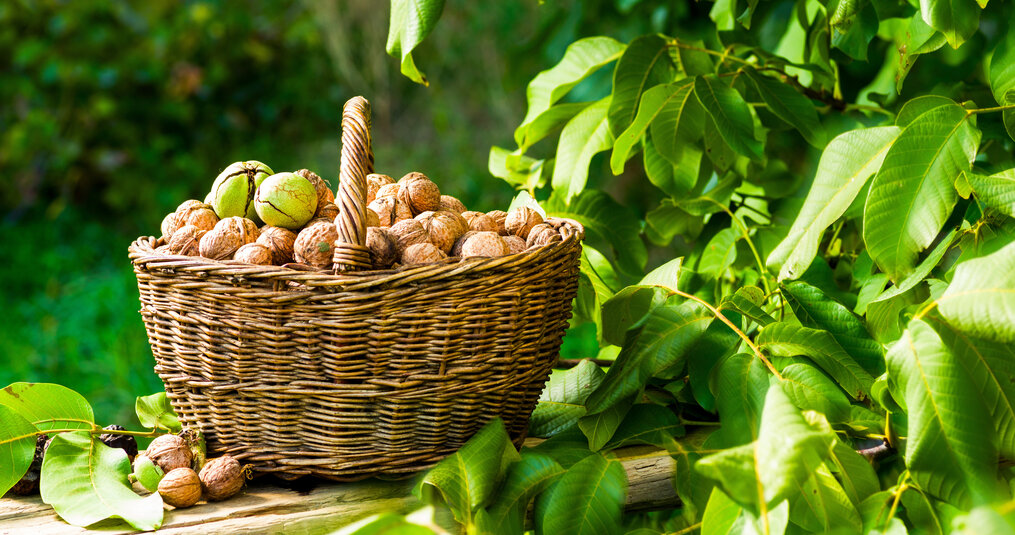
Walnuts have been valued for centuries for their rich flavor, impressive nutritional profile, and versatility. But walnuts do not simply appear on store shelves, they grow on the walnut tree. In this article, we explain everything you need to know about walnuts from tree to harvest. Including walnut benefits, how walnut trees grow, when they produce nuts, and whether walnuts are healthy. This guide is written for gardeners, orchard owners, and anyone considering planting a walnut tree.
What is a walnut tree?
A walnut tree is a deciduous tree, meaning it seasonally sheds leaves, from the genus Juglans. The most well-known varieties are the English walnut (Juglans regia) and the black walnut (Juglans nigra). Walnut trees are known for their long lifespan, strong wood, and ability to produce large quantities of nutritious nuts. Walnut trees can grow very large, often reaching heights of 15 - 25 meters, and can produce walnuts for decades once it’s mature.
How do walnuts grow?
Walnuts grow inside a green outer husk that forms after pollination in spring. Inside this husk is the hard shell that protects the walnut kernel. The growth process follows these stages:
- Flowering in spring.
- Wind pollination.
- Nut development during summer.
- Husk splitting in autumn.
- Walnuts falling to the ground when ripe.
Once the husk opens, the walnuts are ready to be harvested.
How fast do walnut trees grow?
Walnut trees have a moderate to fast growth rate, especially in their early years. Under good conditions, a young walnut tree can grow 30–60 cm per year. Growth speed depends on:
- Soil quality.
- Sunlight.
- Climate.
- Water availability.
Although they grow steadily, walnut trees require patience before they start producing nuts.
When do Walnut trees produce nuts?
After 5-7 years walnut trees start producing nuts but they reach their full production after 10 - 15 years. Once mature, a healthy walnut tree can produce walnuts every year for several decades.
How to plant a walnut tree
Knowing how to plant a walnut tree correctly is essential for long-term success. Key planting tips:
- Choose a sunny location.
- Ensure deep, well-draining soil.
- Allow plenty of space (walnut trees grow large).
- Plant during dormancy (late autumn or early spring).
After planting, regular watering during the first years helps establish a strong root system.
How do you grow a walnut tree successfully?
If you are wondering how do you grow a walnut tree, the answer lies in patience and good care. Walnut trees need:
- Full sun;
- deep soil;
- minimal competition from nearby plants;
- protection from strong winds when young.
Once established, walnut trees are relatively low maintenance and very resilient.
Do walnut trees grow in the UK?
Yes, walnut trees can grow in the UK. English walnut trees (Juglans regia) are particularly well suited to the UK climate. They thrive in:
- Mild summers.
- Well-drained soil.
- Sheltered locations.
While late spring frost can affect flowering, many walnut trees grow successfully across the UK and Northern Europe.
When to pick walnuts
When to pick walnuts is an important question for quality and taste. Walnuts are ready for harvest when:
- The green husk cracks open.
- Nuts begin falling naturally to the ground.
- The kernel inside is fully formed.
This usually occurs between September and October, depending on climate and variety.
How to harvest walnuts from the tree
People often ask how to harvest walnuts from the tree. Walnuts are usually not picked directly from branches. Instead:
- Wait for ripe walnuts to fall naturally;
- Collect them from the ground;
- Remove the outer husk;
- Dry the walnuts before storage.
Shaking branches is sometimes used in orchards, but natural drop ensures proper ripeness.
Can you eat walnuts straight from the tree?
Technically yes, but it is not recommended. Freshly harvested walnuts contain a lot of moisture and have a bitter taste. For the best taste you should dry the walnuts for several weeks. Proper drying improves flavor and shelf life. After drying you can store them in a cool and dry place.
Are walnuts healthy?
Yes, walnuts are healthy and considered one of the most nutritious nuts available. This is because walnuts contain:
- Healthy unsaturated fats
- Omega-3 fatty acids
- Plant-based protein
- Fiber
- Antioxidants
These nutrients support heart health, brain function, and overall well-being.
Walnut benefits explained
The main walnut benefits include:
- Supporting cardiovascular health.
- Helping maintain healthy cholesterol levels.
- Providing long-lasting energy.
- Contributing to a balanced diet.
Why choose a walnut tree?
Walnut trees combine beauty, durability, and productivity. By understanding how walnuts grow, when to harvest them, and why walnuts are healthy, you can make an informed decision about planting a walnut tree. Buy your walnut tree at denootsaeck.com and start growing your own walnuts for the future.